
This blog on “Hairdressing Throughout the Decades” not only accounts the evolution of hair trends but also explains the cultural influences that shaped them, creating a dynamic and engaging article that covers both history and beauty.
Introduction
Hairdressing has always been a powerful form of self-expression, with styles often reflecting the social, cultural and political climate of the time. Fashion, and technological advancements are huge influencing factors in how styles have evolved too. From elegant Victorian updos to the bold and daring styles of the 1980s and beyond, with trends such as “The grunge” and “Rachel” cuts of the 1990s to the sleek and high-tech hairstyles of the present day. With the past few decades having seen hair evolve in unique and fascinating ways. Each decade has left its mark on the world of hairstyling. This blog explores the evolution of hairdressing trends through the decades, diving into the most iconic styles, how they were discovered, what drove their popularity and how trends emerged and how they’ve shaped our personal expressions of style.
1920s: The Roaring Twenties and the Rise of the Bob
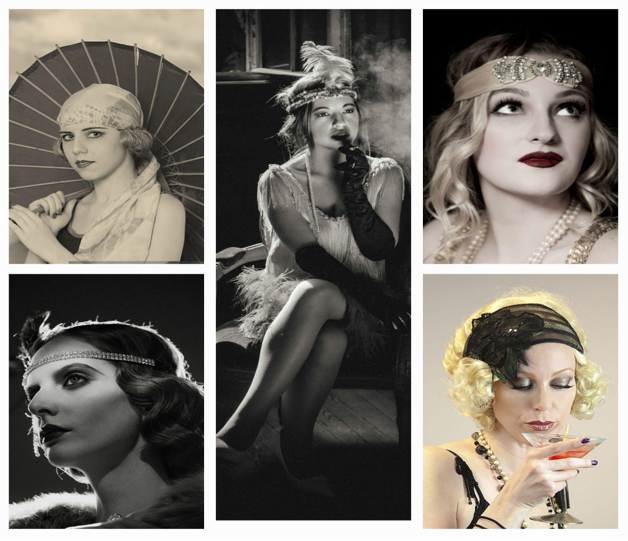
Trend: The Bob Cut The 1920s marked the beginning of the modern era of hairstyling, and one of the most iconic cuts of the decade was the bob. Popularised by silent film stars, the bob was a radical departure from the long, flowing hairstyles of the previous century. Women, embracing newfound independence, began to wear their hair short and sleek, reflecting the changing roles of women in society.
How these styles were discovered: The bob was initially influenced by the flapper movement, which symbolised a break from tradition and a desire for freedom. The style was both practical and fashionable, fitting into the fast-paced, modern lifestyle of the time. Hairstylists like Antoine, a French stylist who worked with celebrities, helped popularise the bob by cutting it into sleek, angular shapes that emphasised a youthful, modern look.
Why these styles became popular:
The bob symbolised liberation for women, allowing them to engage in activities like dancing and smoking in public without the constraints of long hair. The growing influence of Hollywood also played a significant role in spreading the trend across the globe.
1930s: The Glamorous Waves of Hollywood
Trend: Soft Waves and Curls The 1930s were all about glamour, and no one embodied this better than the Hollywood stars of the era. Soft, finger waves and voluminous curls became synonymous with elegance, thanks to the silver screen. Actresses like Jean Harlow, Ginger Rogers, and Bette Davis sported sleek, wavy hairstyles that were feminine yet sophisticated.
How these styles were discovered: Finger waves, created by using a comb to form defined, soft waves in the hair, were a popular technique during this time. These waves were often achieved through the use of hot curling irons or setting lotion, which gave the hair the smooth and polished look we associate with the 1930s. Stylists focused on shaping the hair into curves that framed the face, adding drama and allure.
Why these styles became popular:
The growing influence of Hollywood’s “Golden Age” had a profound impact on beauty standards. Women were inspired to emulate the glamorous actresses they saw on the big screen, and the finger wave became the quintessential symbol of Hollywood glamour.

1940s: The Victory Roll and Wartime Style
Trend: The Victory Roll During World War II, hairstyles had to balance practicality with patriotism and style. The Victory Roll, a voluminous, rolled-up hairstyle, became a symbol of resilience and national pride. Women working in factories and taking on new roles in the workforce embraced this look, which could be worn with or without a headscarf.
How these styles were discovered: The Victory Roll was inspired by the glamorous hairstyles of the 1940s, but its popularity skyrocketed during wartime when it was used as a way to keep hair neat and out of the face. It was named “Victory” after the iconic “V for Victory” symbol of the wartime era.
Why these styles became popular:
The Victory Roll became more than just a fashion statement—it was a representation of a woman’s contribution to the war effort. Women’s roles were changing, and the style reflected a blend of femininity, strength, and resilience, becoming a patriotic hairstyle for the home front.

1950s: The Rise of the Glamorous, Curly Bouffant
Trend: The Bouffant and Pin Curls The 1950s was a decade defined by luxurious femininity, and hairstyles like the bouffant epitomised this era. Think of iconic figures like Jackie Kennedy and Elizabeth Taylor, whose voluminous curls and intricate updos set the standard for beauty during the post-war era.
How these styles were discovered: The bouffant was created by backcombing hair and styling it with lots of volume. It was often paired with other retro styles like pin curls, which created a uniform wave pattern. The hairstyle was perfected with the use of hairspray, allowing women to keep their hair in place all day long, no matter the occasion.
Why these styles became popular:
The 1950s was a time of traditionalism and a return to conventional femininity after the wartime years. Women were expected to look polished and put-together, and the bouffant was the ideal expression of grace and sophistication. The influence of stars like Marilyn Monroe also helped propel the trend into mainstream culture.

1960s: The Mod Look and the Birth of the Beehive
Trend: The Beehive and the Mod Look The 1960s were a decade of rebellion, change, and bold new styles. The beehive, a high-volume, sculpted updo, became one of the most iconic hairstyles of the era. It was seen in both pop culture and fashion, with icons like Audrey Hepburn. Meanwhile, the Mod look, characterised by sleek, straight haircuts, emerged as a counterpoint to the beehive’s volume.
How these styles were discovered: The beehive was first popularised by African American hairstylist Margaret Vinci Heldt, who invented the style as a way to add height and volume to hair. The Mod look, on the other hand, was born out of the London fashion scene, where the likes of Mary Quant and Twiggy sported sharp, geometric haircuts that mirrored the era’s bold fashion statements.
Why these styles became popular:
The beehive and Mod styles were both seen as symbols of modernity and youth rebellion. Women were pushing back against traditional gender roles, and hairstyles were an expression of this newfound sense of independence. The rise of television and pop culture icons also fuelled the trend’s popularity.

1970s: The Natural Movement and the Shag Cut
Trend: The Shag and Long, Natural Hair The 1970s was a decade defined by freedom, individuality, and the rise of the counterculture movement. Hair became a symbol of personal expression, with the shag cut and natural, free-flowing locks becoming popular choices for both men and women. Iconic figures like Farrah Fawcett with her feathered layers and the hippie movement’s embrace of natural curls and long hair defined the era.
How these styles were discovered: The shag cut was created by cutting hair in layers of varying lengths to give it texture and volume. Meanwhile, the long, natural hair movement was tied to the hippie culture, which rejected societal standards of beauty in favour of a more natural, earthy look.
Why these styles became popular:
The 1970s was a time of social upheaval, with movements like civil rights, feminism, and environmentalism gaining momentum. Long hair and the shag cut became symbols of these cultural shifts, representing personal freedom and a rejection of the “establishment.”

1980s: Big Hair, Bold Styles, and the Punk Movement
Trend: Big Hair, Mullet, and Punk Styles The 1980s were all about excess—especially when it came to hair. The bigger, the better! Voluminous hairstyles like the teased “big hair” look dominated the scene, while the mullet, with its “business in the front, party in the back” design, became a symbol of rebellious fashion. The punk movement also introduced brightly coloured and spiky hairstyles as a sign of defiance.
How these styles were discovered: The big hair trend was influenced by the disco era, but it was amplified through hairspray and styling tools. The punk scene, on the other hand, was inspired by DIY fashion and anti-establishment sentiments. Spiked and asymmetrical haircuts were often achieved by using gel, dye, and creative cutting techniques.
Why these styles became popular:
The 1980s were a decade of boldness and excess, influenced by the rise of glam rock, new wave, and punk music. People wanted to stand out, and big, bold hairstyles were the perfect way to express individuality and confidence.

The 1990s: Grunge, Glamour, and The Rise of the “It” Haircuts
Trend: The 1990s were a decade of diversity when it came to hair, with a wide range of styles reflecting the era’s cultural movements and shifting beauty standards. From the precision of the “Rachel” cut to the free-spirited grunge styles, and the smooth, sleek looks seen on celebrities, the 1990s saw a fusion of experimentation and polish. These hairstyles were not just trends—they were a form of self-expression, influenced by music, television, and the growing celebrity culture. The 1990s proved that hair could be both a form of rebellion and an expression of individuality.
How these styles were discovered:
The Rachel: The iconic Friends haircut, known as “The Rachel,” was a perfect example of how TV shows influenced fashion and beauty trends in the 1990s. Designed by Jennifer Aniston’s stylist, Chris McMillan, it featured layered, face-framing cuts with volume and bounce. This cut became a global phenomenon, as viewers everywhere rushed to their salons to recreate it
Grunge Hair: The grunge movement, spearheaded by rock bands like Nirvana and Pearl Jam, brought a completely different look. Grunge hairstyles were messy, often unkempt, and paired with a rebellious, anti-establishment attitude. Influences like Kurt Cobain’s scruffy, dishevelled hair became the icon for this look, showing the world that hair didn’t need to be perfectly styled to be fashionable.
Slicked-Back Styles: On the flip side, the 1990s also had a fascination with sleek, smooth, and polished hair. The “slicked-back” style—often achieved with gel or pomade—was popularised by stars like Pamela Anderson and Gwen Stefani in the early part of the decade. This clean, controlled look was a stark contrast to the more relaxed, undone styles seen in the grunge movement.
Why these styles became popular:
Hit shows like Friends, Beverly Hills, 90210, and The X-Files became cultural cornerstones, and the stars of these shows quickly became trendsetters. Celebrities’ hairstyles were often closely watched, copied, and imitated by millions of fans, especially as television grew in popularity and the internet began to make it easier to access information and images.

The Noughties (2000s): Sleek, Straight, and Shiny
The Trend: The noughties embraced a mix of polished looks and a few experimental trends, setting the stage for the more individualised hair trends that followed in the next decade. The 2000s saw a shift toward sleek, polished hair with an emphasis on straight, smooth styles. Straightened hair became the defining look of the decade, with celebrities popularising ultra-sleek, shiny locks. Layered cuts also remained popular, often paired with highlights or chunky streaks for added dimension. In addition, hair accessories started to become very popular in the early 2000s, items like butterfly clips, headbands, and scrunchies added a playful touch to everyday styles.
How these styles were discovered: The hairstyles of the 2000s were heavily influenced by a combination of pop culture, celebrity-driven trends, and advances in styling technology. From sleek, straightened hair to edgy colour choices and iconic cuts, such as “The graduated bob” and “The lob” (long bob) With celebrities like Victoria Beckham and Katie Holmes influencing the versatile cut in different variations. Colouring was also a very noticeable part of hair trends. Using techniques, such as frosted tips (bleaching the ends of hair) although this trend became popular in the late 1990s, this trend crossed over into the millennium and remained popular on the early noughties, becoming the signature looks for boy bands like NSYNC and Backstreet Boys. This colour trend was often styled in a spiky, gelled way to complete the iconic look.
Why these styles became popular:
The noughties were defined by the dominance of celebrity culture. Music videos in the 2000s, from Britney Spears to Beyoncé, showcased trendy hairstyles that fans rushed to replicate. Celebrities were still a massive influence, especially those on reality TV, became the ultimate trendsetters, and their hairstyles were imitated by millions of people around the world.

The 2010s: Textured Hair, Bold Color, and the Rise of Individualism
Trend : The 2010’s bought us a decade of transformation in the world of hairstyling. This era was marked by a departure from the highly styled looks of the noughties and the rise of more natural textures, bold colours, and personalised styles. At the same time, trends like ombre, balayage, and pastel hair reflected the decade’s love for experimentation and self-expression.
How these styles were discovered: In the 2010s, hair trends were heavily shaped by celebrity influence, the rise of social media, and a cultural shift toward individuality and authenticity. Social media platforms like Instagram and YouTube allowed people to discover new styles through influencers and tutorials, making trends like bold hair colours, natural curls, and textured waves accessible to a global audience, seeing an uptick in at home haircare and styling.
Why these styles became popular:
The natural hair movement gained momentum, with many embracing their natural curls and textured hair. Social media helped normalise these styles, while products designed specifically for textured hair made them easier to maintain. Technological advances in hairstyling tools like straighteners, curling wands, and dry shampoos also contributed to the popularity of styles like beachy waves, braids, and messy topknots, which were seen as chic yet low maintenance.

The 2020’s: individuality, sustainability, and embracing natural textures
Trends: The decade began with a shift towards more minimalist, low maintenance looks, with trends like bob cuts, blunt fringes, and curly pixie cuts gaining popularity. Curtain bangs and shaggy haircuts also made a strong comeback, offering a versatile, effortless vibe. Hair colour trends in the 2020s have ranged from bold, vivid and vibrant colours like pastel pinks, and eye-catching blues, reds and multi coloured looks to more natural, sun-kissed shades achieved through techniques like balayage and bronde (a blend of blonde and brunette). Root smudging and shadow roots became popular for their low-maintenance, grown-out looks.
How these styles became popular: Social media platforms like TikTok have had a huge impact on shaping hair trends, with viral challenges and influencers showcasing hairstyle transformations, retro-inspired looks, and creative updos.
Why these styles have become popular:
Sustainability has played a major role, with more people opting for eco-friendly hair care products including “Sulphate free” shampoos and conditioners and embracing longer, healthier hair. Additionally, the pandemic sparked a surge in people experimenting with their own hair at home, leading to the rise of DIY trims, at-home colour kits, and styles that could be easily maintained without frequent salon visits.

This now brings us to the end of this blog and gives us a timeless evolution of Style and trends.
From the daring bobs and finger waves of the 1920s to the bold, self-expressive styles of today, hairdressing has undergone a remarkable transformation over the last century. Each decade has brought its own unique trends, influenced by social, cultural, and technological changes, but one thing remains constant: the power of hair as a symbol of personal identity, creativity, and innovation. Whether it’s the polished elegance of the 1950s or the free-spirited styles of the 1970s, hair continues to be a form of self-expression—one that evolves with us, reflecting the times we live in. As we look ahead, it’s clear that the future of hairdressing will continue to be shaped by our ever-changing world, offering limitless possibilities for new styles, techniques, and trends. One thing’s for sure: no matter the decade, hair will always be a canvas for individuality, a reflection of the spirit of the times, and a timeless form of artistry.
This look back through the history of hair trends really shows, how exciting this topic is and the potential there are for both the industry and professionals like us to evolve, grow, and establish ourselves in a dynamic field full of change and new opportunities.
If you enjoyed reading this blog and would like to explore any of the previous blogs a full list can be found below.
Shape Hair and Beauty
22 Valence Road, Lewes, East Sussex, BN7 1SH
Tel:01273 474764


